Introduction to Moroccan Meatballs
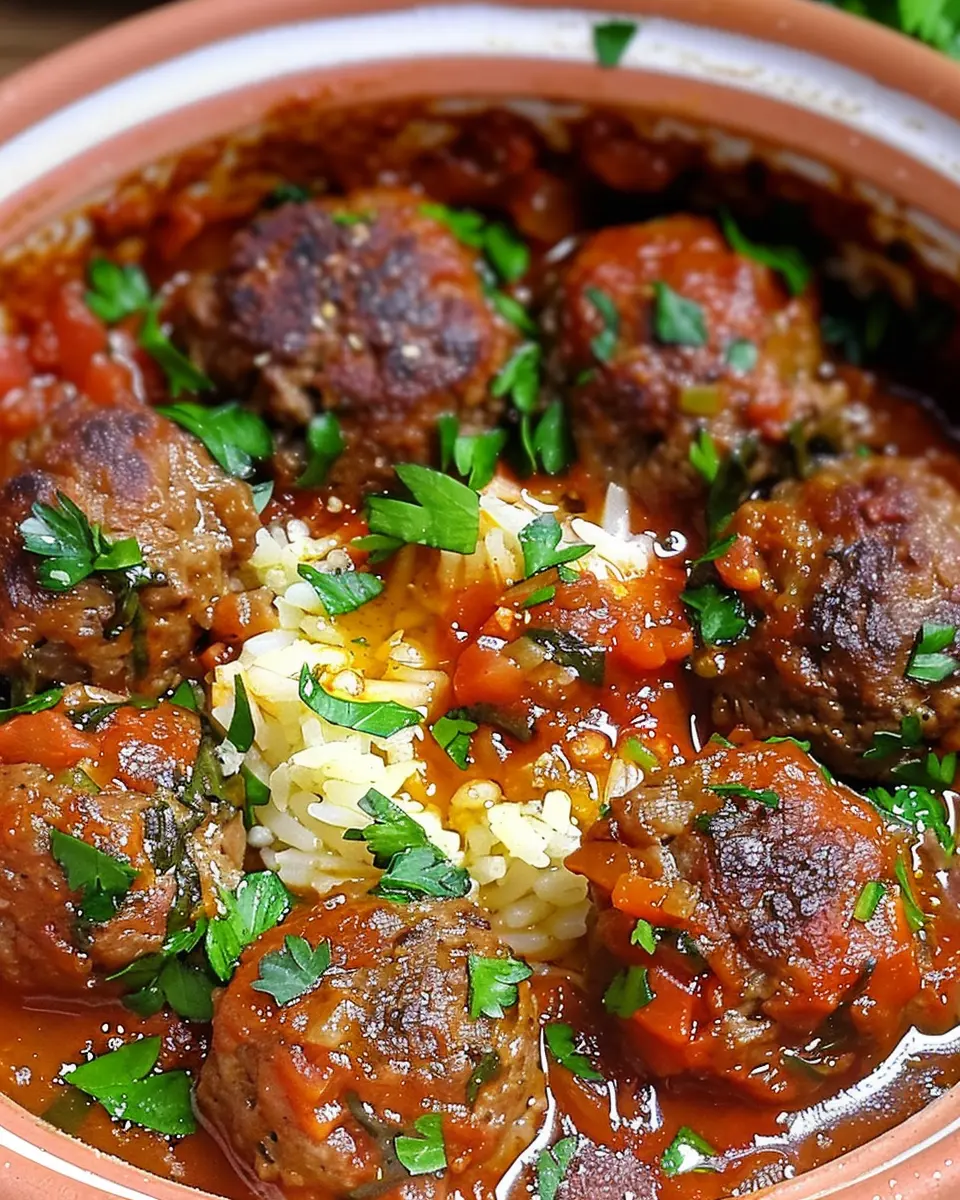
When you think of Moroccan meatballs, or Kefta as they are known in their homeland, what comes to mind? Juicy, spiced meat formed into tender balls and simmered in a fragrant sauce—sounds delicious, right? These little bites of goodness are not just any meatballs; they are a celebration of bold flavors and culinary tradition that make Moroccan cuisine stand out.
What makes Moroccan meatballs (Kefta) so irresistible?
The charm of Moroccan meatballs lies in their unique blend of spices and herbs which elevate them far beyond your typical meatball recipe. Cumin, coriander, cinnamon, and fresh cilantro create an explosion of flavors that transport your taste buds straight to the bustling markets of Marrakesh. Whether you’re serving them in a savory tomato sauce or a fragrant tagine alongside fluffy couscous, you’ll find that each bite is full of character and warmth.
But the magic doesn’t stop with the spices. Did you know that traditional Moroccan cooking often emphasizes the importance of communal dining? Kefta is typically enjoyed with friends and family, making the experience all the more special. As you gather around the table, the aromas wafting through your kitchen foster a sense of togetherness and shared joy.
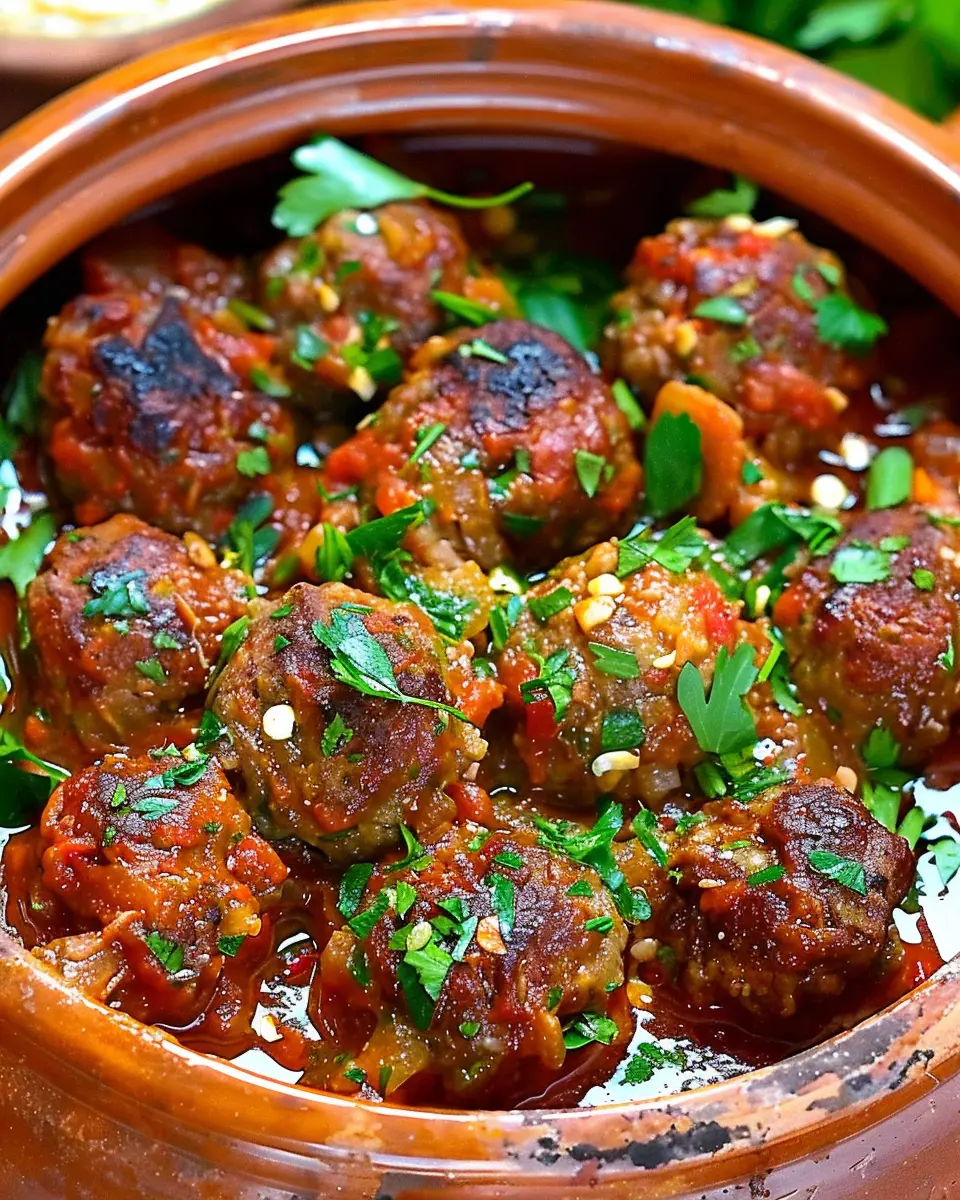
Additionally, when prepared in a tagine—a traditional clay pot—the meatballs benefit from slow cooking, which allows the flavors to meld beautifully. This method not only enhances the taste but also helps to keep the meat tender and juicy. You can find more insights about using a tagine in this guide from The Spruce Eats.
If you’re a busy professional looking for a delicious meal that feels like a warm hug, these Moroccan meatballs are just the ticket. They are not only easy to make but can also be prepped ahead of time, making your weeknight dinners a breeze. In the following sections of this article, we’ll dive deep into the ingredients, the cooking process, and a few tips to ensure your meatballs turn out perfect every time. Get ready to impress your friends at your next dinner party or enjoy a cozy meal at home!
Ingredients for Moroccan Meatballs
Essential ingredients for the meatballs
Creating the perfect Moroccan meatballs starts with a blend of aromatic spices and fresh ingredients. Here’s what you’ll need to whip up these delightful morsels:
- Ground beef: This is the base of our meatballs, providing a rich flavor. Feel free to use lean beef for a healthier option.
- Fresh herbs: Parsley and cilantro add a burst of freshness. Don’t skimp on the herbs—they’re essential!
- Onion and garlic: Diced finely, they lend depth and a savory punch to the meatballs.
- Spices: A mix of cumin, coriander, cinnamon, and paprika captures the essence of Moroccan cuisine. For an extra kick, add a pinch of cayenne.
- Turkey Bacon: Adding turkey bacon brings a delightful smokiness and richness, enhancing the overall flavor.
Key ingredients for the sauce
The magic of these Moroccan meatballs truly shines through in the sauce. Here’s what you’ll need:
- Tomatoes: Canned crushed tomatoes create a luscious base. Opt for organic varieties for better flavor.
- Chickpeas: They provide texture and a hearty element, making the dish more filling.
- Vegetable broth: Use low-sodium broth for a balanced, flavorful sauce.
- Honey or pomegranate molasses: These sweeteners add a touch of sweetness to balance the spices in the sauce.
- Spices: A sprinkle of turmeric and saffron brings warmth and complexity to the overall dish.
As you gather these ingredients, remember—cooking is about exploration. Try adding a pinch of your favorite spice and make this dish truly your own! If you’re looking for more tips on Moroccan cuisine, check out The Spruce Eats for great resources and inspiration.
Preparing Moroccan Meatballs
Creating Moroccan meatballs, also known as kefta, can be an incredibly rewarding culinary adventure. These spices and flavors transport you right to the heart of Morocco. Let’s dive into the preparation steps that transform simple ingredients into a vibrant dish bursting with exotic flavors!
Preparing the Kefta mixture
Start by combining your ground beef with a medley of spices, including cumin, coriander, cinnamon, and paprika. These spices create that quintessential Moroccan flavor profile. Don’t forget to add finely minced herbs like parsley and cilantro for an aromatic touch. A beaten egg will help bind everything together, while salt and pepper will season the meatballs to perfection. Mix with your hands until well combined, but try not to overwork the mixture to keep the texture tender.
To prepare the Kefta mixture, you will need:
- 1 lb ground beef
- 1 small onion, finely grated
- 2 cloves garlic, minced
- 1/4 cup fresh parsley and cilantro, chopped
- 1 egg
- 1 tsp cumin
- 1 tsp coriander
- 1/2 tsp cinnamon
- 1/2 tsp paprika
- Salt and pepper to taste
Roll the meat mixture into small balls, about the size of a golf ball, and set them aside.
Sautéing the onions and garlic
In a tagine or a deep skillet, heat up some olive oil over medium heat. Toss in a finely chopped onion and sauté until it becomes soft and translucent. The smell will start to evoke that wonderful, warm feeling of Moroccan kitchens. Add the minced garlic and cook for another minute, just until fragrant. The combination of onion and garlic forms the foundation of your rich sauce and compliments the flavor of your Moroccan meatballs beautifully.
Elevating the sauce with spices
Once your onions and garlic have cooked down, it’s time to amp up the flavors. Add additional spices—think turmeric and a pinch of cayenne for warmth—stirring them into the sauté. This not only brings a stunning color to your sauce but layers in the flavors that will permeate throughout your dish. Allow the spices to toast for about 30 seconds before adding the next ingredients; this ensures they release their full flavor potential.
Incorporating the tomatoes and herbs
Now, it’s time to add the star of the show—tomatoes! You can choose crushed tomatoes or tomato puree for a smoother consistency, or diced tomatoes if you prefer a chunkier sauce. Stir in a bit of vegetable broth for moisture. Finish off the sauce with a handful of fresh herbs like cilantro and parsley. Let it simmer gently as you prepare your Moroccan meatballs for cooking. The aroma will have you dreaming of Moroccan nights!
Cooking the meatballs in the sauce
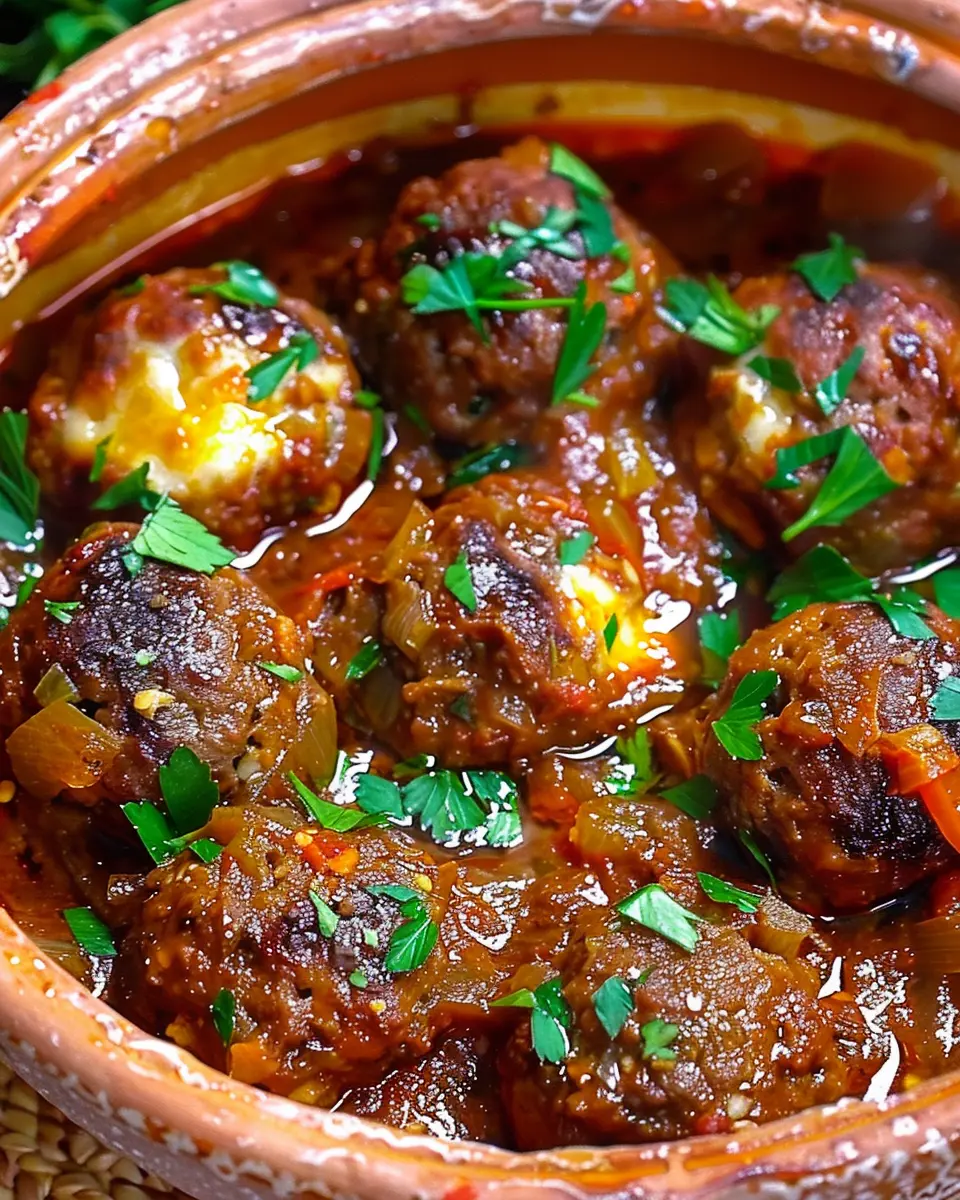
Once your sauce has thickened slightly, nestle your meatballs gently into the simmering sauce. The key here is to ensure they’re mostly submerged; this way, they soak in all those robust flavors. Cover the tagine or skillet with a lid, allowing the meatballs to cook through for about 20-30 minutes over low heat. This slow cooking process will yield incredibly juicy and flavorful meatballs that you’ll want to savor.
Adding eggs for a delightful twist
For a traditional touch, crack a couple of eggs on top of your cooked meatballs during the last few minutes of cooking. Cover again to allow the eggs to poach in the simmering sauce. This delightful twist not only adds richness but also elevates the dish, making it perfect for sharing around the dinner table. Serve with crusty bread or over fluffy couscous to soak up all that delicious sauce.
By following these steps, you’re not just preparing Moroccan meatballs; you’re creating a vibrant culinary experience. So, gather your ingredients, invite a friend over, and enjoy the process because good food is best shared! For an even deeper dive into Moroccan spices, check out this resource for tips on sourcing and using spices in your cooking. Happy cooking!
Variations on Moroccan Meatballs
Spicy Moroccan Meatballs
If you love a bit of heat in your meals, spicy Moroccan meatballs are a fantastic twist on the classic. To amp up the flavor, try adding finely chopped jalapeños or a sprinkle of harissa—a fragrant North African chili paste. Simply mix a tablespoon of harissa into your meatball mixture or drizzle it over the cooked meatballs for an extra kick. Not only does this enhance the dish’s warmth, but it also deepens the overall flavor profile, creating a dish that will keep your taste buds buzzing. For an added layer of complexity, you might consider serving these spicy morsels with a cooling yogurt sauce. This light dip marries perfectly with the richness of the meatballs and provides that perfect balance.
Vegetarian Meatballs Alternative
Not everyone consumes meat, and that’s where vegetarian meatballs step in! For a plant-based take on Moroccan meatballs, you can use lentils, chickpeas, or even eggplant as a base. Combine cooked lentils with traditional spices like cumin, coriander, and paprika, and bind it all together with breadcrumbs or almond flour. This approach not only caters to vegetarians but also infuses your dish with a vibrant mix of flavors. For extra protein, consider adding crumbled tofu or Moroccan spiced quinoa to the mix.
Exploring these variations can make your Moroccan meatballs a delightful experience tailored for all palates. If you’re feeling adventurous, don’t hesitate to experiment with different spices, or check out this guide on Moroccan spices for inspiration! What will you choose for your next meal?
Cooking Tips and Notes for Moroccan Meatballs
Key tips for perfect meatballs
Creating succulent Moroccan meatballs is all about the texture and flavor. Here are a few essential tips to elevate your dish:
- Choose the right meat: Using a blend of ground beef and Turkey Bacon can enhance both flavor and richness.
- Don’t overmix: When combining your ingredients, mix just until combined. Overmixing can lead to dense meatballs.
- Moisture matters: Adding moisture, such as chicken broth or even shredded vegetables, keeps the meatballs tender and juicier.
Storing and reheating tips
Leftover Moroccan meatballs can be a delightful treat! Here’s how to store and enjoy them later:
- Storage: Keep your meatballs in an airtight container in the fridge for up to three days. You can also freeze them for up to three months.
- Reheating: For the best results, reheat your meatballs in a skillet over medium heat with a splash of chicken broth or water. This helps keep them moist while ensuring they’re warmed through.
For more tips on meal prep, check out the USDA. Enjoy your cooking journey!
Serving Suggestions for Moroccan Meatballs
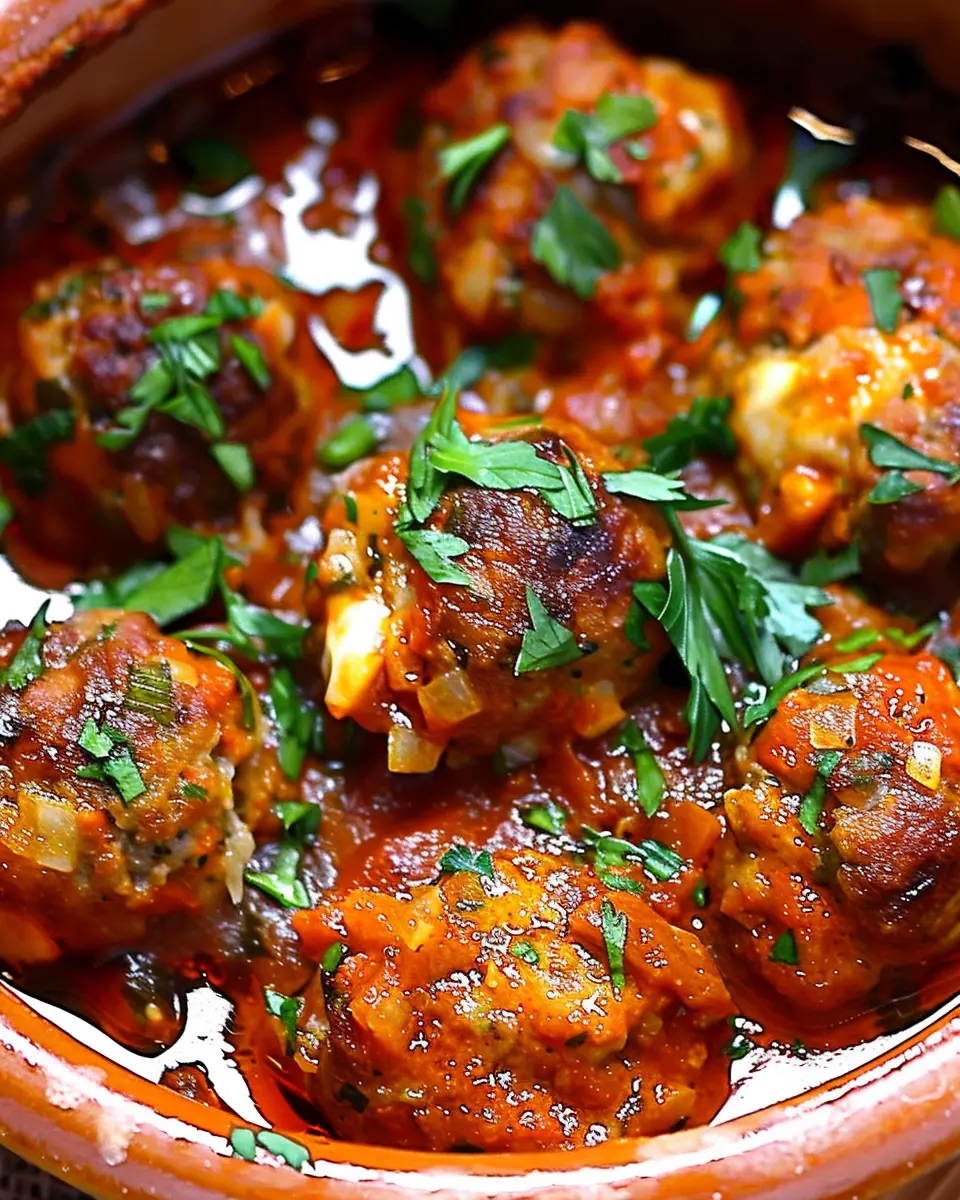
When it comes to serving Moroccan meatballs, also known as kefta, there are endless possibilities. Let’s explore some delicious ideas to elevate your dining experience.
Best Side Dishes to Serve with Kefta
Pairing your meatballs with the right sides enhances their rich flavors:
- Couscous: Fluffy and light, couscous absorbs the savory juices beautifully.
- Vegetable Tagine: A fragrant medley of seasonal vegetables cooked to perfection in aromatic spices complements the meatballs splendidly.
- Tabbouleh Salad: This refreshing parsley and bulgur dish adds a crunchy, zesty contrast.
You can also check out Couscous 101 for tips on preparation.
Creative Serving Ideas
Take your meal to the next level with these unique serving suggestions:
- Kefta Sliders: Place meatballs in mini pita bread with tzatziki sauce for a fun appetizer at your next gathering.
- Bowl Style: Serve the meatballs over a bed of quinoa, topped with chopped almonds and fresh mint for a colorful meal.
- Skewers: Thread meatballs onto skewers along with bell peppers and onions, then grill for a delightful charred flavor.
With these serving ideas, your Moroccan meatballs will undoubtedly become the star of the table!
Time Breakdown for Moroccan Meatballs
Preparation Time
To get started on your delicious Moroccan Meatballs, plan for about 20 minutes of preparation time. This is when you’ll gather all your ingredients, chop the herbs, and mix the meat with spices. Think of it as your warm-up routine before diving into the culinary fun!
Cooking Time
The cooking process takes around 30 minutes. You’ll get to enjoy your kitchen filled with the aromatic spices as the meatballs simmer in the savory sauce. It’s an excellent time to prep any sides, like fluffy couscous or a fresh salad.
Total Time
In total, expect to spend about 50 minutes from start to finish. It’s a manageable time frame that perfectly fits a busy weekday evening. And trust me, the joy of savoring homemade Moroccan Meatballs is well worth every minute! For more tips on making the perfect tagine, check out this expert advice.
Nutritional Facts for Moroccan Meatballs
When diving into the world of Moroccan Meatballs, you’re not just treating your taste buds; you’re nourishing your body. Here’s a closer look at what you can expect nutritionally.
Calories
A serving of these delicious meatballs typically contains around 300-350 calories. This makes them a satisfying yet manageable portion for a hearty meal.
Protein Content
Packed with protein, each serving provides approximately 20-25 grams. This makes Moroccan Meatballs an excellent choice for fueling your day, especially after a workout.
Other Nutritional Highlights
Beyond protein, these meatballs boast other nutritional benefits:
- Healthy Fats: Using lean ground beef or turkey provides necessary fats without excess calories.
- Vitamins and Minerals: The spices and fresh herbs contribute antioxidants and nutrients, enhancing overall wellness.
- Fiber-Rich Options: Pairing with whole grain couscous or vegetables can boost your fiber intake.
For further reading on balanced meals and healthy eating, check out resources like the Mayo Clinic or EatRight.org. Now, doesn’t that inspire you to whip up your own Moroccan Meatballs?
FAQs about Moroccan Meatballs
Can I use different meats for Moroccan meatballs?
Absolutely! While traditional Moroccan meatballs often use ground lamb or beef, you can get creative with different meats. Ground turkey or chicken also works well, offering a leaner option. Even plant-based alternatives, like lentils or chickpeas, can create delicious vegetarian meatballs. Just remember to adapt the spices slightly, since different meats might absorb flavors differently.
How do I adjust the spice levels?
Spice levels can vary significantly depending on your palate. If you’re concerned about heat, start with milder spices like paprika or even a pinch of cinnamon. You can always add more cayenne pepper or harissa paste later in the cooking process if you want an extra kick. Another tip? Taste your meatball mixture before cooking. If you think it needs more flavor, feel free to adjust!
What are the best dishes to pair with Moroccan meatballs?
Moroccan meatballs have a fantastic depth of flavor that pairs beautifully with a range of sides. Here are some great options to consider:
- Couscous: The fluffy texture complements the sauce perfectly.
- Flatbreads: Serve your meatballs with warm pita or Moroccan bread for a delicious scoop.
- Salads: A side of tabbouleh or a green salad with citrus dressing adds a refreshing touch.
- Vegetables: Roasted or sautéed seasonal vegetables are a great way to balance the richness of the meatballs.
Experimenting with these pairings not only enhances your meal but also brings a delightful taste of Morocco to your dining table. For more inspiration, check out BBC Good Food’s Mediterranean recipes. Enjoy cooking!
Conclusion on Moroccan Meatballs
Why you should make this dish today!
If you’re searching for a meal that delights both the palate and the senses, Moroccan Meatballs should be at the top of your list. These flavorful meatballs, simmered in a spiced tomato sauce, are a cozy reminder that comfort food can be healthy too. Plus, preparing them is an excellent opportunity to explore bold flavors and culinary traditions. It’s a fantastic way to impress everyone at your table, whether they are friends or family.
Don’t wait—bring a taste of Morocco into your home today. You’ll enjoy every savory bite while creating lasting memories. Ready to try something new? Enjoy cooking!
PrintMoroccan Meatballs: Easy Tagine Recipe for Flavor Lovers

Delicious Moroccan meatballs cooked in a rich and flavorful tagine sauce, perfect for a comforting meal.
- Prep Time: 15 minutes
- Cook Time: 30 minutes
- Total Time: 45 minutes
- Yield: 4 servings 1x
- Category: Dinner
- Method: Stovetop
- Cuisine: Moroccan
- Diet: None
Ingredients
- 1 pound ground beef
- 1/2 cup breadcrumbs
- 1 egg
- 2 teaspoons ground cumin
- 2 teaspoons ground coriander
- 1 teaspoon cinnamon
- 1 teaspoon salt
- 1/2 teaspoon black pepper
- 2 tablespoons olive oil
- 1 onion, chopped
- 2 cloves garlic, minced
- 1 can (14 oz) diced tomatoes
- 1/2 cup chicken broth
- 1/4 cup raisins
- 2 tablespoons chopped fresh parsley
Instructions
- In a large bowl, combine ground beef, breadcrumbs, egg, cumin, coriander, cinnamon, salt, and pepper. Mix well and form into meatballs.
- Heat olive oil in a tagine or large skillet over medium heat. Add onion and garlic, sautéing until soft.
- Add diced tomatoes, chicken broth, raisins, and meatballs to the skillet. Bring to a simmer.
- Cover and cook for 25-30 minutes or until meatballs are cooked through.
- Garnish with fresh parsley before serving.
Notes
- Serve with couscous or crusty bread for a complete meal.
- Adjust spices according to your taste preference.
Nutrition
- Serving Size: 1 bowl
- Calories: 450
- Sugar: 6g
- Sodium: 650mg
- Fat: 25g
- Saturated Fat: 8g
- Unsaturated Fat: 15g
- Trans Fat: 0g
- Carbohydrates: 30g
- Fiber: 4g
- Protein: 30g
- Cholesterol: 80mg
Keywords: Moroccan Meatballs, Tagine, Easy Recipe