Introduction to Mango Sticky Rice
Why Mango Sticky Rice Should Be Your New Favorite Dessert
If you’re on the lookout for a dessert that captures the sweet essence of tropical delights, look no further than mango sticky rice. This beloved classic from Thailand has a unique combination of flavors and textures that make it irresistible. The creamy, slightly salty coconut milk perfectly complements the natural sweetness of ripe mangoes. It’s no wonder this dish has garnered a fan base that stretches far beyond its Southeast Asian roots. With every bite, you’re taken on a mini vacation, indulging in the flavors of warm, sun-kissed fields.
What truly sets mango sticky rice apart is its cultural significance. In Thailand, this dish is often associated with festivals and special occasions, making it not just a dessert but a celebration of life’s moments. This rich tradition adds layers of meaning to each serving, resonating with those who savor it. As you enjoy this dish, you become a part of a larger story, connecting with thousands who have shared this experience over generations.
Quick Overview of the Dish’s Flavors and Cultural Significance
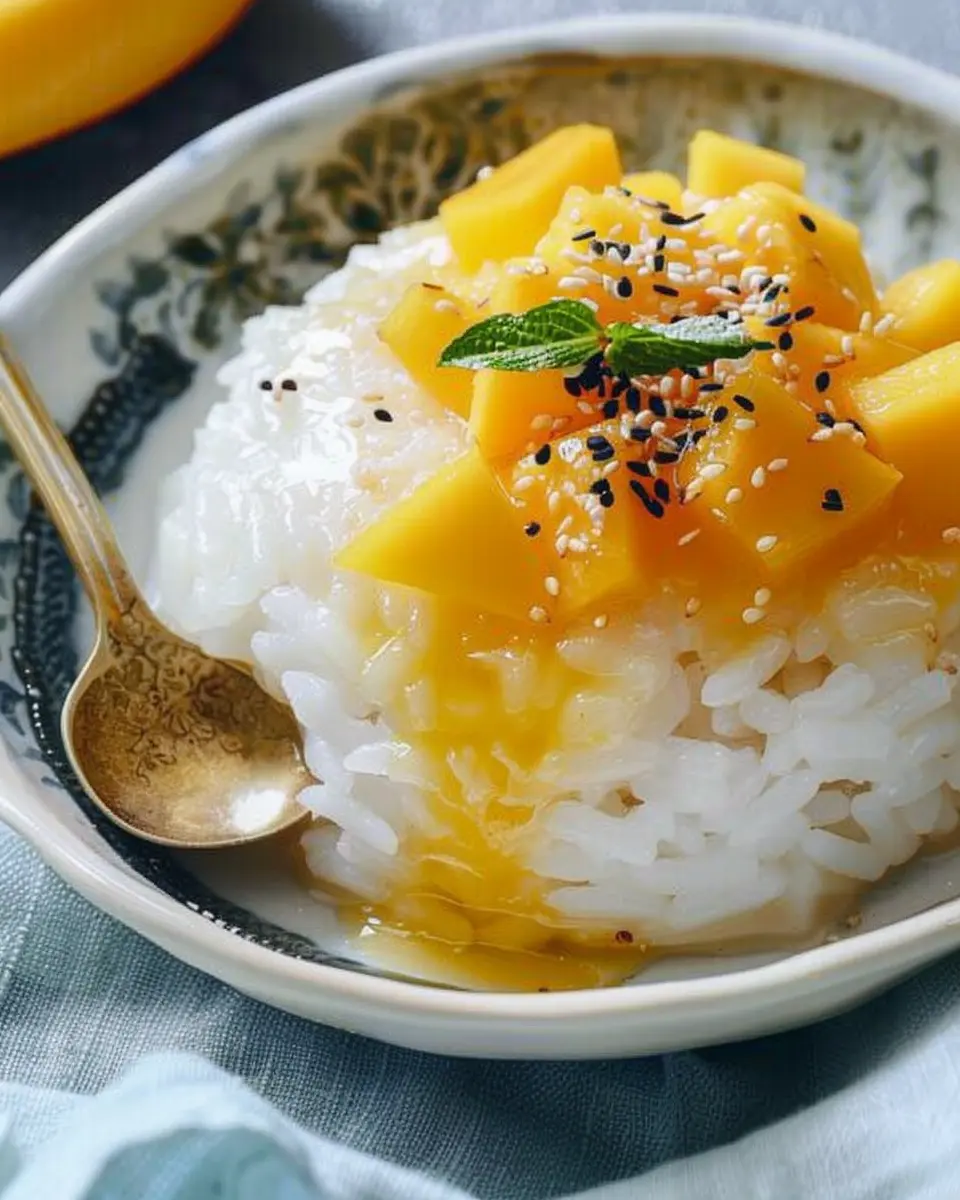
The harmony between the textures of glutinous rice and the luscious mango is a highlight of mango sticky rice. The rice is steamed to perfection, offering a delightful chewiness that perfectly balances the creamy coconut sauce drizzled on top. Choosing ripe, fragrant mangoes elevates the experience further, bringing a refreshing brightness to the dish that enhances its appeal.
Coconut milk’s subtle saltiness combined with brown sugar’s sweetness creates a luscious sauce that ties everything together. You might find it fun to experiment with additional toppings like toasted sesame seeds or mung beans for added crunch and flavor.
For an in-depth look at the history and regional variations of mango sticky rice, check out this insightful article from Serious Eats. It dives deep into the origins and evolution of this beloved dessert, enriching your understanding and appreciation for it.
Whether you’re enjoying a quiet evening at home or hosting friends for dinner, mango sticky rice is sure to impress and ignite a sense of adventure and joy. Ready to make this enchanting dish? Let’s get started!
Ingredients for Mango Sticky Rice
Key ingredients and their roles
For a delightful mango sticky rice experience, the following key ingredients are essential:
- Glutinous rice: This is the base of the dish. Its sticky texture creates the perfect canvas for the rich, sweet flavors of coconut and mango.
- Coconut milk: Adds creaminess and sweetness. It’s what makes this dessert decadently enjoyable.
- Sugar: Balances out the richness of the coconut milk. White or brown sugar works fine!
- Salt: Just a pinch enhances the sweetness and rounds out the flavors.
- Fresh mango: The star of the show! Choose ripe, juicy mangoes for the best taste.
Each ingredient plays a crucial role, working harmoniously to create a dessert that’s both satisfying and refreshing.
Optional ingredients for customization
Feel free to get creative with your mango sticky rice! Here are some optional ingredients that can elevate your dish:
- Sesame seeds: Adds a crunchy texture and nutty flavor.
- Mung beans: Cooked and sprinkled on top for added nutrition and taste.
- Pandan leaves: Infuse your coconut milk for an extra layer of fragrant goodness.
Discover more ideas for customizations here to make your dessert truly one-of-a-kind!
Preparing Mango Sticky Rice
Preparing mango sticky rice is an exciting journey that combines texture, taste, and a burst of tropical flavors. The process might seem elaborate at first, but once you break it down into a few simple steps, you’ll find that it’s not only achievable but also incredibly rewarding. Let’s dive right in!
Soaking the Sticky Rice
The first step in our mango sticky rice adventure is to soak the sticky rice. Typically, sweet sticky rice (also known as glutinous rice) is used for this dish due to its unique texture.
- Pick Your Rice: Start with about 1 ½ cups of sweet sticky rice. This variety absorbs moisture well, resulting in that appealing chewy consistency.
- Soaking Time: Place the rice in a bowl and cover it with water. Let it soak for at least 4 hours, although overnight is preferable. Soaking softens the rice and helps it cook evenly. Did you know that soaking rice can cut cooking time by nearly 30%?
This article on the science behind soaking rice offers great insight if you’re curious about the process.
Steaming the Rice to Perfection
After soaking, it’s time to steam the rice. This method enhances the rice’s natural flavor without losing its nutrients.
- Prepare Your Steamer: Line a bamboo or metal steamer with cheesecloth or banana leaves. This keeps the rice from falling through the gaps while allowing steam to circulate.
- Cooking Time: Drain your soaked rice and spread it evenly in the steamer. Cover and steam for about 30-40 minutes. You should see the rice become glossy and translucent—this is the key indicator of it being done.
As you wait, take a moment to appreciate the aroma that fills your kitchen. The anticipation builds, doesn’t it?
Making the Coconut Sauce
Now, let’s create the rich coconut sauce—a vital component of mango sticky rice. This sweet sauce complements the sticky rice and ties everything together beautifully.
- Ingredients: In a small saucepan, combine 1 cup of coconut milk, ¼ cup of sugar, and a pinch of salt.
- Gently Heat: Stir the mixture over low heat until the sugar dissolves. Avoid boiling the coconut milk, as it can alter its creamy texture. For an extra depth of flavor, you might add a few pandan leaves or a splash of vanilla extract.
Feel free to taste the sauce! You want it to have the perfect sweet-salty balance that will elevate your dish.
Combining Rice and Sauce
With the rice perfectly cooked and the coconut sauce ready, it’s time for the fun part—combining them!
- Mixing It Up: Once the rice is cooked, transfer it to a bowl and gently pour about half of the coconut sauce over the top. Mix it thoroughly, allowing the sauce to absorb into the rice. This fusion creates that iconic sticky texture we all love in mango sticky rice.
- Resting Period: Let the mixed rice sit for 10 minutes. This allows the flavors to meld even further, ensuring every bite is deliciously satisfying.
Plating with Mango Slices
Finally, we arrive at the moment of presentation, where you can show off your culinary creation!
- Slice the Mango: Choose ripe but firm mangoes and slice them into thin strips or wedges—just the right amount of sweetness to pair with the rich rice.
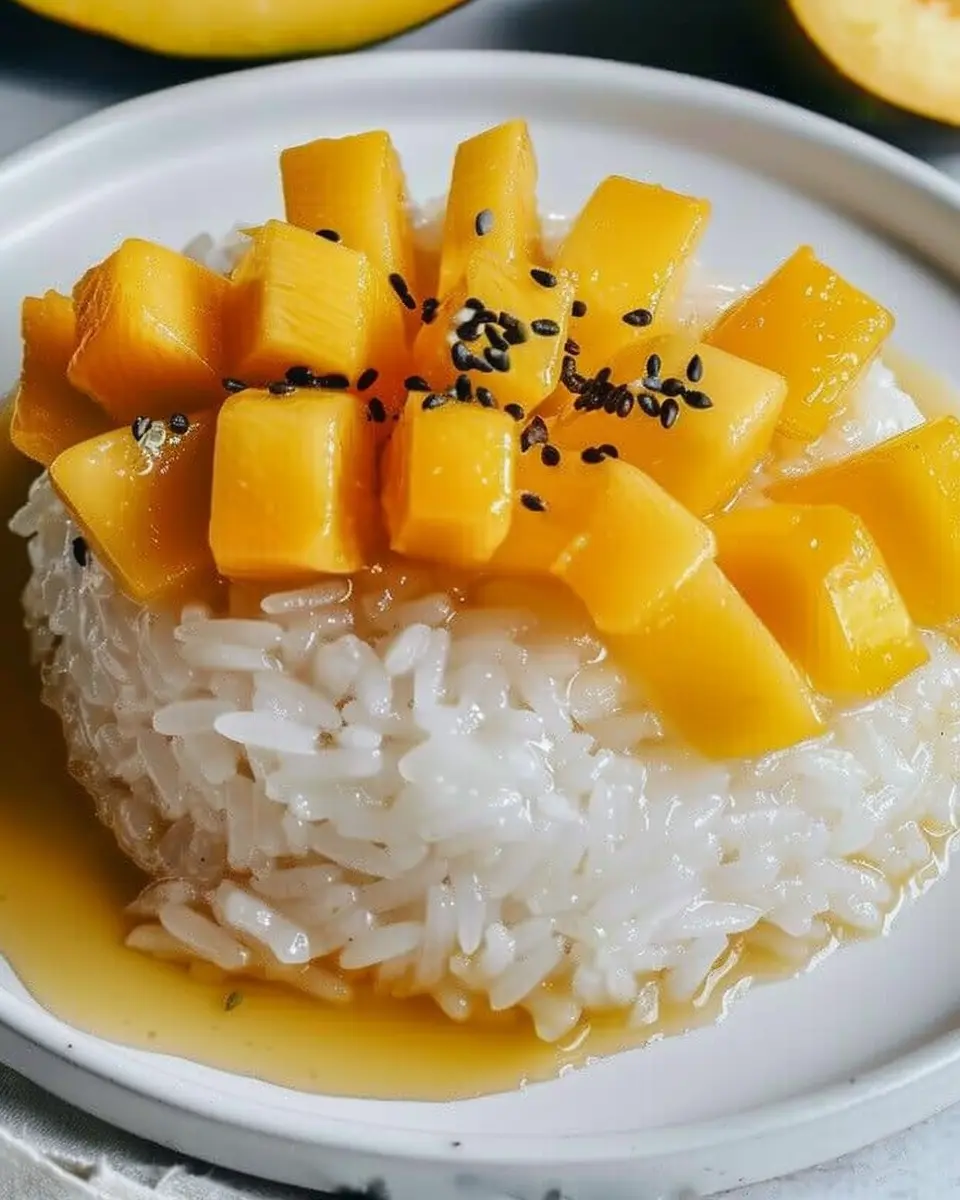
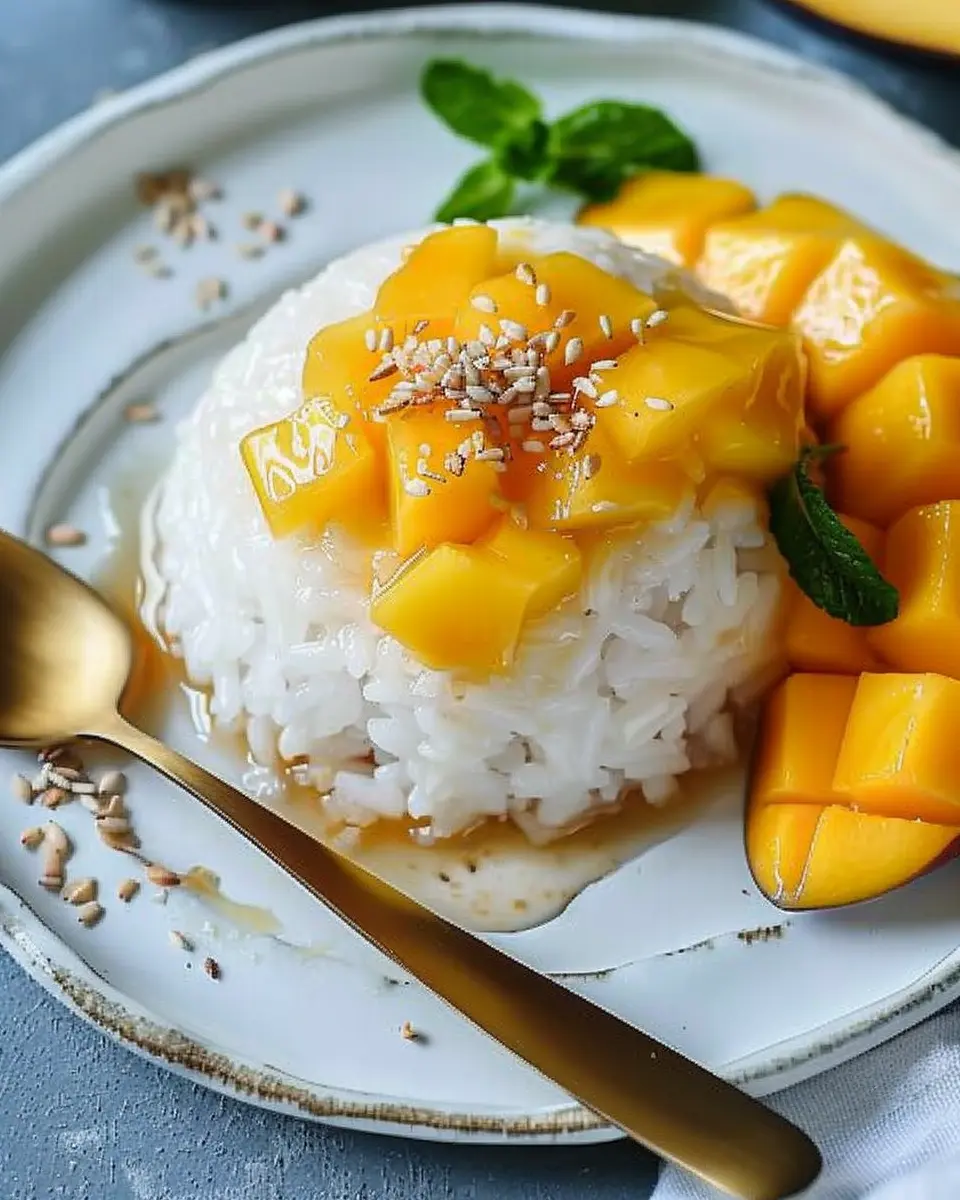
- Artful Plating: On a serving plate, mold the sticky rice into a neat dome and arrange the mango slices artistically around it. Drizzle the remaining coconut sauce over the top and, if you wish, sprinkle some sesame seeds or mung beans for added texture.
And there you have it—your very own mango sticky rice, ready to impress family and friends!
Whether you’re savoring this delicious dessert at home or sharing it at a gathering, this dish is sure to evoke smiles. Happy cooking!
Variations on Mango Sticky Rice
Mango sticky rice is one of those delightful dishes that can be played with endlessly. While the classic version is amazing, adding your own twist can elevate this beloved dessert. Here are some creative variations to inspire you.
Adding Different Fruits
Sure, mango sticky rice shines with ripe mango, but have you ever considered mixing it up with other fruits? Here are a few options:
- Coconut Pineapple: Chop fresh pineapple and layer it over the sticky rice. The tropical flavors will make your taste buds dance.
- Passion Fruit Drizzle: A drizzle of fresh passion fruit syrup adds a tart contrast that beautifully complements the creamy coconut.
- Berries Galore: Blueberries or strawberries can also work well, especially if you’re aiming for a pop of color and a slight tartness.
Each of these variations not only enhances the flavor but also gives your dish a fresh twist.
Exploring Flavors with Different Sweeteners
When it comes to sweetening your mango sticky rice, there’s no need to stick to plain sugar. Consider these alternatives:
- Agave Nectar: This natural sweetener provides a milder taste, blending seamlessly into the coconut cream.
- Honey: If you’re looking for a richer flavor profile, honey is a perfect choice. Just make sure it’s of good quality, like raw or organic varieties.
- Maple Syrup: For a unique twist, maple syrup brings an earthy sweetness that pairs wonderfully with coconut.
Experimenting with these ingredients not only personalizes your dish but can also cater to different dietary preferences. For more tips on alternative sweeteners, check out resources like Healthline.
Feel inspired? The beauty of mango sticky rice lies in its adaptability, offering endless opportunities to create your own delicious version. Whether you’re hosting a dinner or just treating yourself, have fun with these variations and savor the flavors!
Cooking Tips and Notes for Mango Sticky Rice
How to Check for Sticky Rice Doneness
Perfect mango sticky rice depends on the right texture! To check if your sticky rice is ready, simply take a grain between your fingers. If it feels soft and plump but still somewhat firm, it’s just right. You can also gently squeeze a handful; it should clump together without being overly mushy. Typically, steaming for 20 to 30 minutes works wonders, but every batch can vary slightly. Remember, patience is key—don’t rush!
Best Practices for Coconut Milk Selection
Selecting the right coconut milk is crucial for achieving that creamy, rich flavor in your mango sticky rice. Look for full-fat, canned coconut milk to ensure a luscious finish. Brands with minimal ingredients (just coconut and water) are often the best. When shopping, check out expert recommendations online, such as those from Serious Eats, for top-rated brands.
Feel free to add a pinch of salt or a dash of sugar to balance the sweetness, but always taste as you go. Happy cooking!
Serving Suggestions for Mango Sticky Rice
Creative Plating Ideas
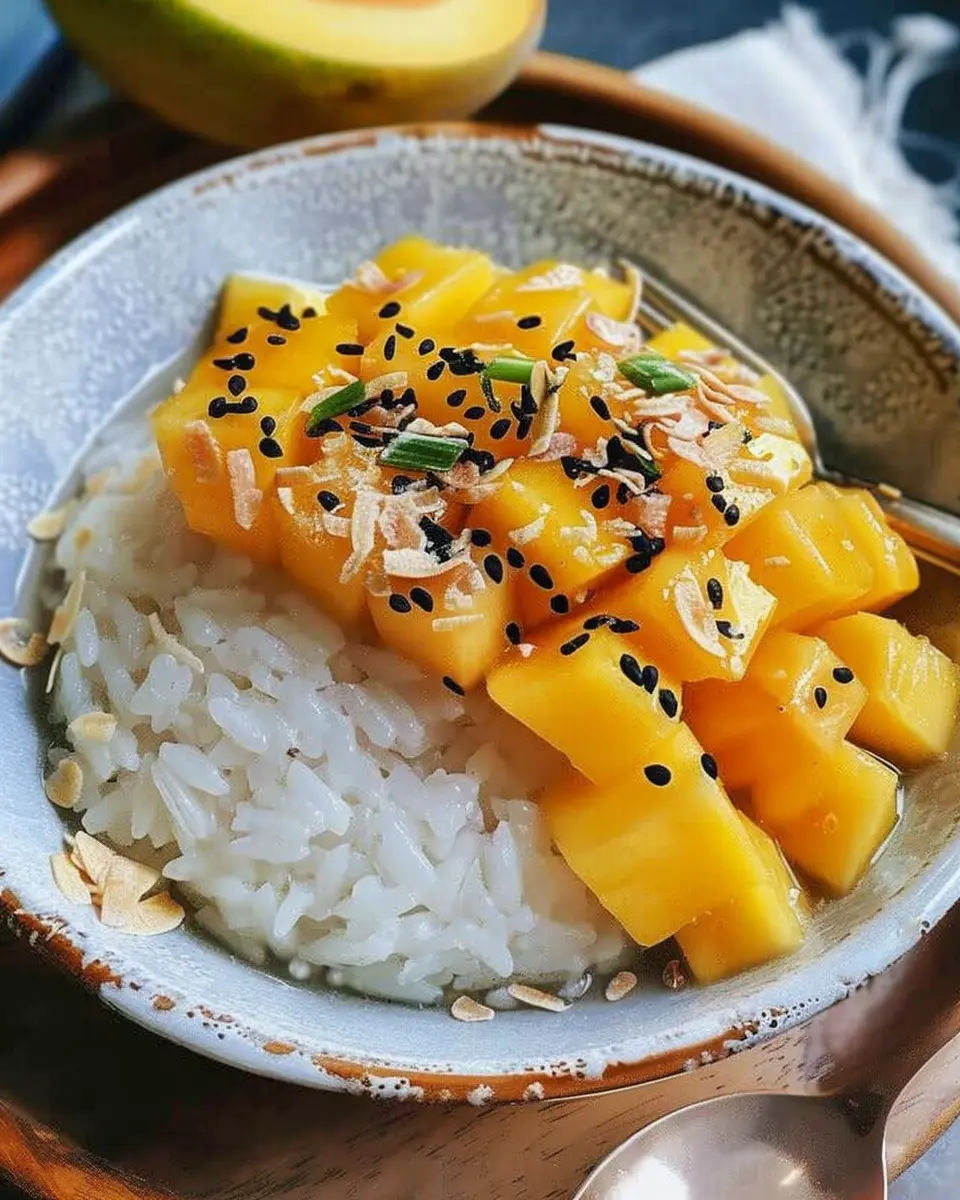
When it comes to serving mango sticky rice, presentation is key. Start by forming the sticky rice into small, pyramid-shaped mounds using a mold or your hands. Nestle thinly sliced mango beside the rice, and consider drizzling coconut sauce on top for a glossy finish. For an added touch, sprinkle some toasted sesame seeds or shredded coconut for texture. You can also serve it in a banana leaf for an authentic vibe, making each plate a feast for the eyes.
Pairing with Beverages and Other Dishes
To truly elevate your mango sticky rice experience, think about what you pair it with. Coconut water or refreshing herbal teas are excellent choices, harmonizing with the dish’s tropical flavors. If you’re planning a more extensive meal, consider serving it alongside a light salad or Thai spring rolls. These dishes provide a delightful contrast in flavors while maintaining that authentic Thai essence. Want to explore more Thai-inspired recipes? Check out resources like Serious Eats for ideas!
By incorporating these suggestions, not only will your mango sticky rice shine on the table, but it will also be a hit among your guests. Enjoy!
Time Breakdown for Mango Sticky Rice
When you’re ready to dive into the delightful world of mango sticky rice, it’s helpful to know how long to plan for each step. Trust me; this tasty treat is worth every moment!
Preparation Time
You’ll need about 30 minutes to get everything prepped. This includes washing your rice, peeling and slicing the mangoes, and measuring out your coconut milk and sugar. A little organization here can help you enjoy the cooking process even more!
Cooking Time
The actual cooking takes roughly 20 minutes. Steaming the rice and warming the coconut milk with sugar can feel like an exhilarating race against the clock—especially when the aroma fills your kitchen!
Total Time
In total, you’re looking at approximately 50 minutes from start to finish. Once you master the timing, serving your perfectly crafted mango sticky rice becomes a delightful ritual.
For more tips on perfecting this recipe, check out these cooking techniques that can take your dessert to the next level!
Nutritional Facts for Mango Sticky Rice
Estimated calories per serving
When you’ll be savoring a delightful serving of mango sticky rice, you can expect around 330 calories. This dessert offers a sweet indulgence while still being reasonable in terms of caloric intake, making it a popular choice for those craving a treat without the guilt.
Key nutritional components
Let’s dive a little deeper into what makes mango sticky rice not just delicious, but also somewhat nutritious:
- Carbohydrates: Primarily from sticky rice and mango, providing essential energy.
- Fats: You’ll find healthy fats from coconut milk, which adds creaminess and flavor.
- Vitamins: Mango is loaded with Vitamin C, promoting immunity and skin health.
- Minerals: Sticky rice contains important minerals like magnesium and phosphorus.
For more detailed nutritional insights, you might want to check reputable sources like Healthline or the USDA’s FoodData Central. These resources provide comprehensive nutritional data you may find helpful!
Remember, while it’s a treat, enjoying it in moderation can let you indulge guilt-free. Have you ever tried blending in some nuts or seeds for an extra crunch?
FAQs about Mango Sticky Rice
Curious about mango sticky rice? You’re not alone! Here are some common questions that can help you enjoy this delicious dessert even more.
What’s the best way to store leftover mango sticky rice?
If you find yourself with leftover mango sticky rice, the best way to store it is in an airtight container in the refrigerator. It can typically last for about 2 to 3 days. Just remember to reheat any portions gently—using a microwave can dry it out. To keep it moist, consider adding a splash of coconut milk before reheating.
Can you make mango sticky rice vegan?
Absolutely! Traditional mango sticky rice is naturally vegan, provided you use coconut milk without dairy additives. Opt for organic or canned coconut milk and ensure your rice is free from any animal products. This dessert is a fantastic choice for plant-based diets while still delivering that creamy texture and distinct flavor.
How can I make it gluten-free?
Good news: mango sticky rice is gluten-free by default since it uses glutinous rice, which is a type of sticky rice and does not contain gluten. However, always double-check any additional ingredients like the coconut milk or toppings to ensure they have not been processed using gluten-containing products. Brands that specifically label their items as gluten-free are your best bets.
These tips should help you enjoy mango sticky rice to the fullest! For more insights, check out resources like Healthline for nutritional advice or Serious Eats for cooking techniques. Happy cooking!
Conclusion on Mango Sticky Rice
Recap of the reasons to try this dish
In summary, mango sticky rice is more than just a dessert; it’s an experience blending sweet, creamy, and savory flavors in every bite. Its simplicity makes it accessible for home cooks, while its rich cultural heritage offers a taste of Thailand from your kitchen. Plus, did you know that mangoes are packed with vitamins A and C? Making this dish not only satisfying but nourishing as well!
Share your experiences
As you whip up your own version of mango sticky rice, I’d love to hear how it turns out for you. Did you use a particular type of mango or adjust the coconut milk? Share your experiences and any tips you discover along the way in the comments. Let’s keep this delicious conversation going! For more culinary adventures, check out resources from the CIA or Serious Eats for inspiration.
PrintMango Sticky Rice: Easy Recipe for a Deliciously Sweet Treat
Mango Sticky Rice is a delicious dessert made from glutinous rice, fresh mango, and coconut milk. It’s sweet, creamy, and perfect for any occasion.
- Prep Time: 10 minutes
- Cook Time: 30 minutes
- Total Time: 3 hours 40 minutes
- Yield: 4 servings 1x
- Category: Dessert
- Method: Steaming
- Cuisine: Thai
- Diet: Vegetarian
Ingredients
- 1 cup glutinous rice
- 1 cup coconut milk
- 1/2 cup sugar
- 1/4 teaspoon salt
- 2 ripe mangoes
Instructions
- Rinse the glutinous rice under cold water until the water runs clear.
- Soak the rice in water for at least 3 hours, or overnight.
- Drain the rice and steam it for about 30 minutes until tender.
- In a saucepan, combine coconut milk, sugar, and salt over medium heat. Stir until the sugar dissolves, then remove from heat.
- Once the rice is cooked, mix in half of the coconut milk mixture. Let it sit for 10 minutes.
- Peel and slice the mangoes.
- To serve, place sticky rice on a plate, top with mango slices, and drizzle with remaining coconut milk mixture.
Notes
- For a richer flavor, use full-fat coconut milk.
- Serve warm or at room temperature.
Nutrition
- Serving Size: 1 serving
- Calories: 320
- Sugar: 30g
- Sodium: 50mg
- Fat: 17g
- Saturated Fat: 15g
- Unsaturated Fat: 2g
- Trans Fat: 0g
- Carbohydrates: 36g
- Fiber: 1g
- Protein: 4g
- Cholesterol: 0mg
Keywords: Mango Sticky Rice