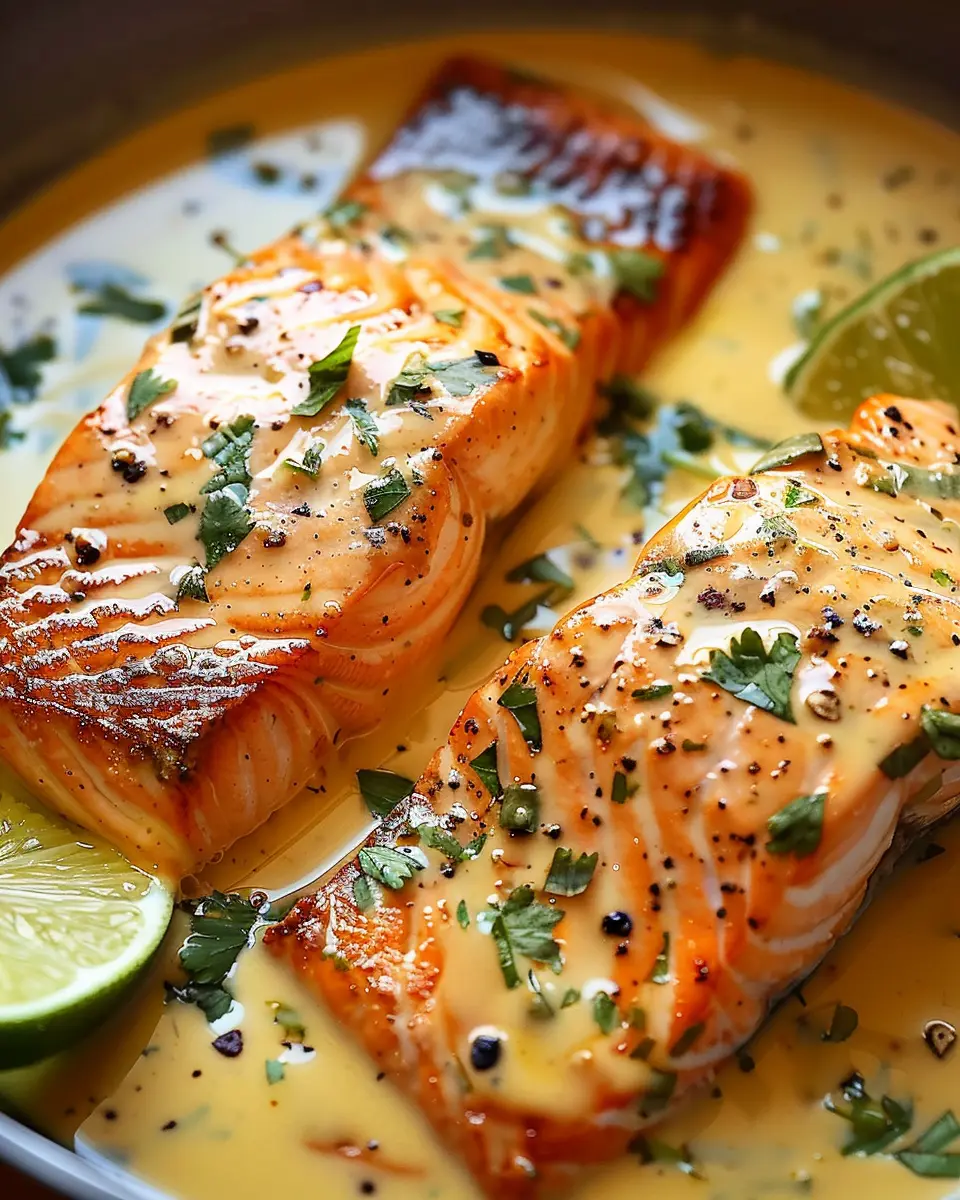
Outline for Poached Salmon in Coconut Lime Sauce
Let’s take a delightful culinary journey together as we explore the exquisite recipe for Poached Salmon in Coconut Lime Sauce. This dish bursts with flavors, combining the rich taste of salmon with the tropical zest of coconut and lime, making it a perfect meal idea for young professionals looking for a quick, nutritious dinner that impresses.
Understanding the Ingredients
To make this recipe shine, it’s essential to grasp the role each ingredient plays in the dish. Let’s break down our star players:
-
Salmon: Known for its omega-3 fatty acids, which are great for heart health, salmon provides a tender and flaky texture when poached. Look for fresh, quality salmon fillets at your local fish market, ensuring you get the best flavor.
-
Coconut Milk: This creamy liquid not only adds richness but also a tropical twist to our meal. When selecting coconut milk, go for organic brands without additives for the purest flavor.
-
Lime Juice and Zest: Fresh citrus juices brighten the dish, balancing the richness of the coconut milk. Using fresh limes is recommended – the flavor difference is significant.
-
Herbs and Spices: Fresh cilantro is a classic pairing with coconut dishes, while a pinch of red pepper flakes can add a subtle heat. You can also experiment with flavors like ginger or lemongrass for a twist.
Understanding these ingredients will not only improve your dish but also equip you with knowledge for future culinary creations. For more on the health benefits of salmon, check out Healthline’s article on fatty fish.
Preparing Your Poached Salmon
Before diving into cooking, let’s prep our salmon fillets and other ingredients. Here’s a step-by-step guide to ensure you’re organized.
-
Gather Your Tools: You’ll need a large saucepan, measuring cups, a whisk, and a spatula. Having everything on hand streamlines the cooking process.
-
Prep the Salmon: Pat the salmon fillets dry with paper towels to remove excess moisture, ensuring they poach evenly. Cut the fillets if desired; smaller portions can be more fun for plating.
-
Chop Fresh Herbs: Fresh ingredients go a long way. Chopping cilantro, zesting limes, and preparing any additional herbs beforehand will enhance the flavors and enjoy the cooking process.
Now that we’re prepared, we can enjoy the cooking journey together. But, for those of you who are new to poaching, here’s a quick definition: it’s a gentle cooking method in which food is submerged in a simmering liquid. This technique allows the salmon to cook evenly without sacrificing moisture.
Cooking the Poached Salmon Perfectly
The cooking process is crucial for achieving the perfect poached salmon. Follow these simple steps to make this dish shine:
-
Prepare the Poaching Liquid: In your saucepan, combine coconut milk, lime juice, zest, and seasonings. Bring to a gentle simmer while stirring occasionally to combine flavors.
-
Add the Salmon: Carefully place your salmon fillets in the saucepan. Ensure they are submerged in the poaching liquid. If you want to cook for a crowd, poach in batches to avoid overcrowding.
-
Control the Temperature: Keep the liquid at a low simmer — not bubbling, as this will make the salmon tough. Poaching usually takes around 10-15 minutes, depending on the thickness of the fillets. A good rule of thumb: cook until the salmon is opaque and easily flakes with a fork.
-
Rest and Serve: Once your salmon is poached, remove it gently using a spatula and let it rest for a minute or two before serving. This dish pairs beautifully with steamed rice, or for a healthy touch, serve it on a bed of fresh greens.
You might be wondering—how do you know when it’s done? One safe and easy method is to use a fork to flake the salmon lightly. If it flakes easily, then it’s ready to rock your dinner plate!
Creating the Coconut Lime Sauce
The sauce is the star of the dish, and it’s very simple to make. Here’s a breakdown of how to ensure it complements your poached salmon perfectly:
-
Whisk It Together: In a bowl, whisk together coconut milk, lime juice, and zest, along with a pinch of salt and spices. This mixture will become the flavorful sauce that envelops the salmon.
-
Reduce for Intensity: If you prefer a thicker sauce, allow it to simmer for a few extra minutes to reduce and intensify the flavors. This also creates a lovely texture that clings beautifully to the fish.
-
Adjust the Seasoning: Taste your sauce. Feel free to add more lime juice for acidity or extra cilantro for a fresh punch. This is your chance to get creative!
You want to make sure that the sauce complements but doesn’t overpower the salmon‘s natural flavors. It’s about finding that balance!
Plating and Presentation Tips for Poached Salmon
Now comes the fun part—plating your poached salmon in coconut lime sauce! Presentation plays a crucial role in elevating your dish for those dinner guests or just for your enjoyment at home.
-
Choose the Right Plate: A white plate can make your colorful dish pop, but if you’re feeling adventurous, a rustic wooden board can create a charming vibe.
-
Create Height and Layers: Think about arranging the dish with the salmon fillet on top of a mound of rice or quinoa garnished with fresh herbs. This not only looks stunning but also adds texture.
-
Consider Color: Brightly chopped cilantro or lime wedges can add a refreshing pop of color. Remember, eating starts with the eyes!
Perfect Pairings
Wondering what to serve alongside your poached salmon? Here are some ideas that complement the dish beautifully:
-
Rice Variations: Flavored brown rice or coconut rice can enhance the tropical theme of the meal.
-
Vegetable Sides: Steamed greens, like asparagus or green beans, add crunch and color. Roasted veggies also pair well, providing a contrasting warmth to the dish.
-
Salads: A light cucumber salad dressed with lime can refresh the palate, making the meal feel lighter.
If you’re looking to explore a new side dish for this recipe, check out BBC Good Food’s light side salads for some inspiring ideas.
Storing and Reheating Leftovers
If you have leftovers, this dish is surprisingly versatile when it comes to storage and reheating. Store the salmon in an airtight container in the fridge.
-
Refrigeration Guidelines: It’s best to consume it within 3 days for optimal flavor.
-
Reheating Tips: Gently reheat in a covered pan with a splash of coconut milk to keep it moist. Avoid microwaving if possible, as it tends to dry out the fish.
Final Thoughts and Personal Experiences
Cooking poached salmon in coconut lime sauce is not only about satisfying your palate but also about creating an experience in your kitchen. As a busy professional myself, I’ve found that this recipe comes together in about 30 minutes, making it perfect for a quick weeknight meal. The first time I made it, I was hesitant about the combination, but one bite took me straight to a sun-soaked beach.
Incorporating this recipe into your meal rotation can not only impress your guests but also streamline your week with delicious leftovers. So, whether you’re cooking for friends or just treating yourself to a flavorful meal, give this recipe a try. Here’s to many more delicious adventures in the kitchen!
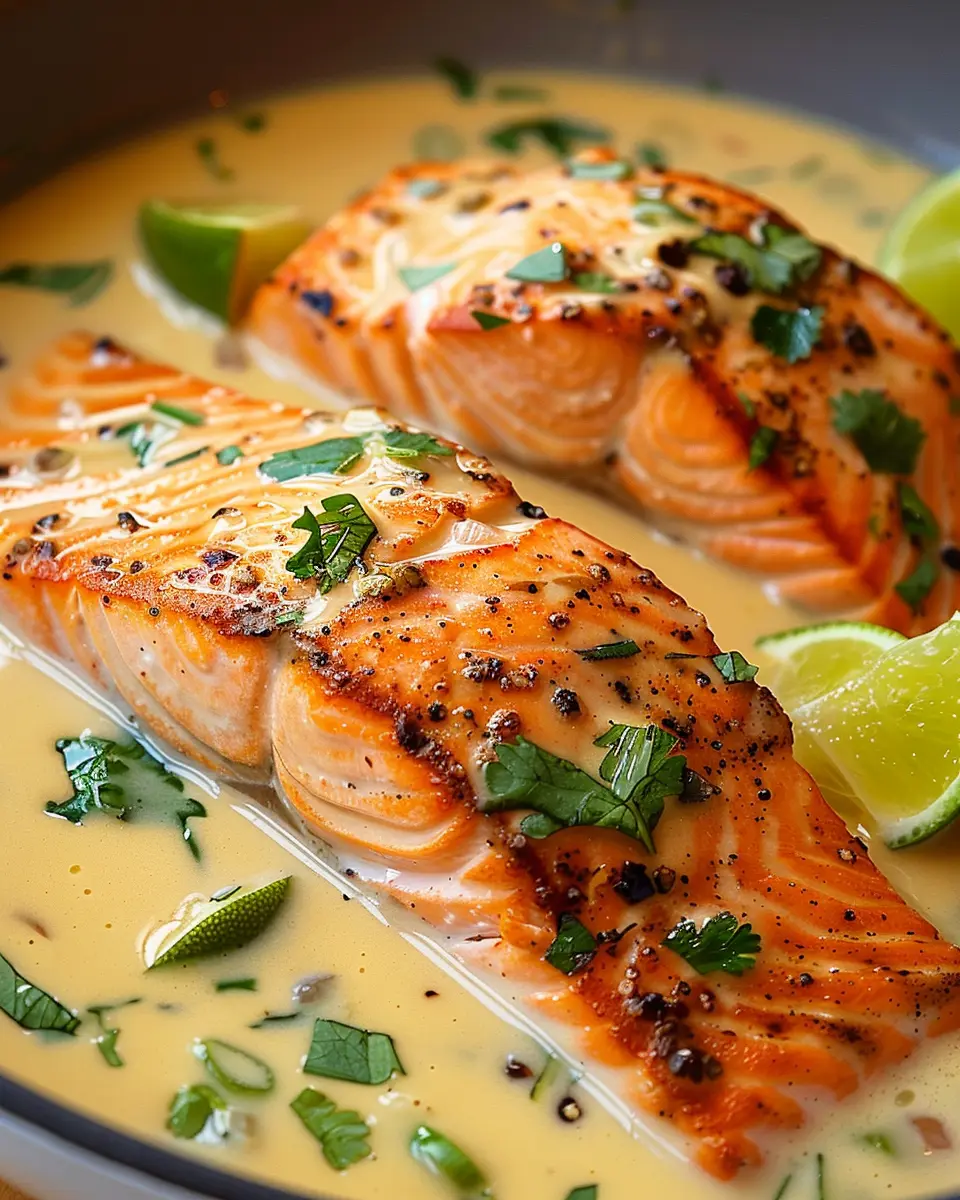
Introduction to Poached Salmon
Why Poached Salmon is the Perfect Home-Cooked Meal
When it comes to simple yet delicious home-cooked meals, poached salmon often tops the list. Cooking salmon this way not only elevates its natural flavors but also creates a meal that’s light, nutritious, and incredibly versatile. The gentle poaching process retains moisture and tenderness, allowing you to enjoy a succulent piece of fish without needing any fancy culinary skills. Plus, it’s quick! You can have dinner on the table in under 30 minutes, which is perfect for busy young professionals.
Benefits of Cooking at Home vs. Fast Food
There’s something comforting about preparing your meal at home—I’ve found that it often leads to better choices compared to grabbing fast food. Home-cooked meals can be tailored to your tastes, giving you control over ingredients and portion sizes. According to a study by the American Journal of Preventive Medicine, cooking at home is associated with healthier eating habits, as it’s easier to incorporate whole foods like vegetables and lean proteins.
Opting for homemade meals also saves money! Instead of splurging on high-calorie fast food, you can whip up a nutritious salmon dish for much less, while savoring the delightful flavors of coconut lime sauce. And let’s be honest, doesn’t sitting down to a beautiful plate of homemade food feel more satisfying than a meal from a drive-thru?
A Personal Touch: My Journey to Homemade Cooking
My cooking journey started during grad school when I realized just how much I relied on takeout. With a tight budget and a desire for a healthier lifestyle, I decided to conquer my kitchen fears. That’s when I stumbled upon poached salmon! After a few trial runs, I perfected my method, and it quickly became a staple in my weekly meal prep. Not only did it add zing to my dinner table, but poaching salmon also opened up a whole world of flavors through various sauces and spices.
Now, I share this recipe with friends and family, and every time they rave about how simple and delicious it is, I’m reminded of how far I’ve come. So grab your apron, and let’s dive in—you’ll be amazed at how delightful a homemade dinner can be!
Ingredients for Poached Salmon in Coconut Lime Sauce
Essential Ingredients
To create the delightful poached salmon in coconut lime sauce, you’ll need a few key ingredients that come together beautifully. Here’s your shopping list:
- Fresh Salmon Fillets: Aim for wild-caught if possible for the best flavor.
- Coconut Milk: Full-fat coconut milk will offer a rich, creamy texture.
- Lime Juice and Zest: Fresh lime gives the dish a zesty kick.
- Garlic: Fresh minced garlic enhances the aroma and depth.
- Ginger: A small piece of fresh ginger adds warmth and spice.
- Salt and Pepper: Basic seasonings for balancing flavors.
Fresh vs. Frozen Salmon: What You Need to Know
Choosing between fresh and frozen salmon can be confusing. Fresh salmon often has a superior taste, but high-quality frozen salmon is convenient and retains nutrients. If you’re unsure, check out this article for guidance on selecting the best option for your kitchen.
Optional Add-Ins for Extra Flavor
Want to elevate your poached salmon experience? Consider adding:
- Turmeric: For an earthy touch and vibrant color.
- Chili Flakes: If you enjoy a bit of heat in your dishes.
- Fresh Herbs: Cilantro or basil can brighten the flavors.
Experiment and find what works best for your palate! Enjoy cooking!
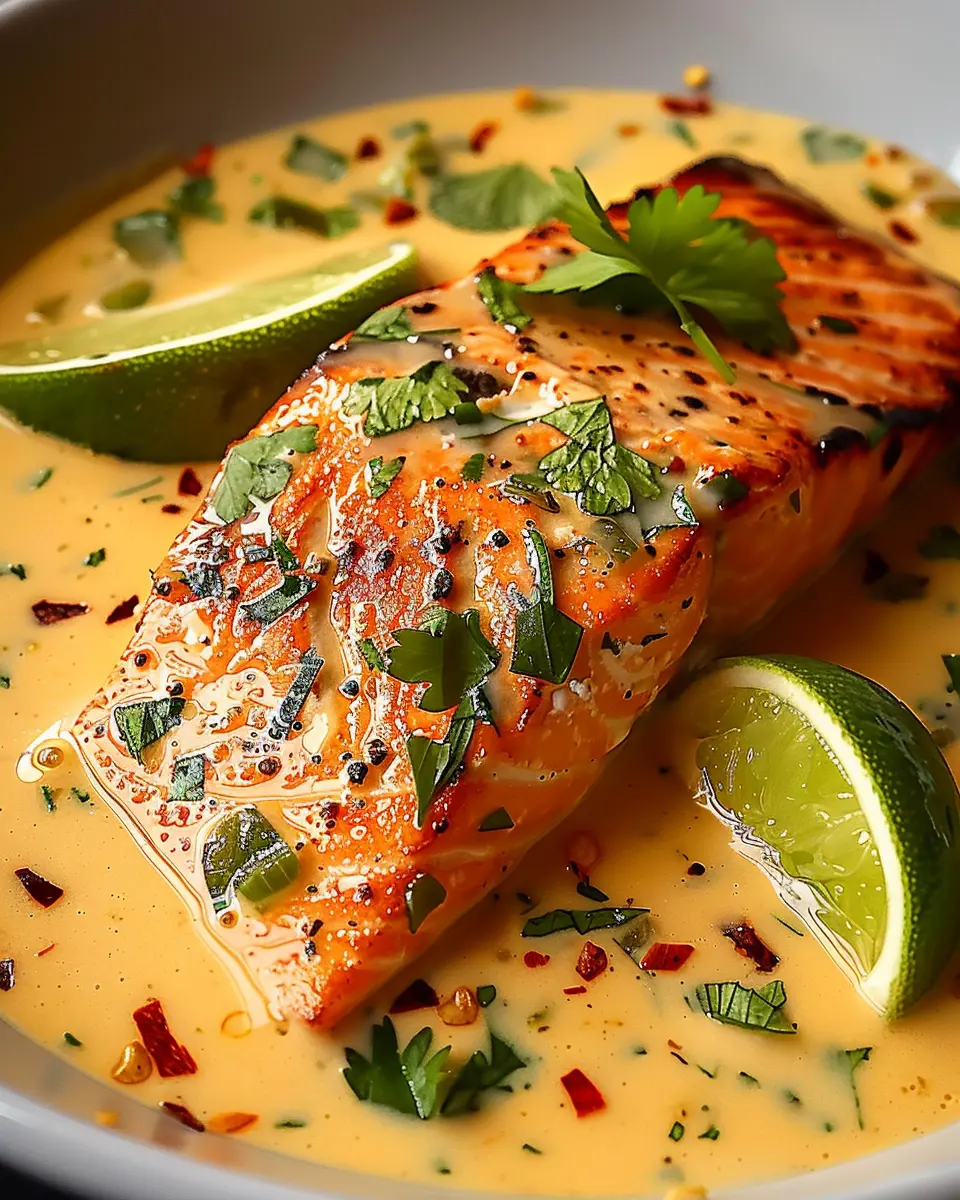
Step-by-Step Preparation of Poached Salmon
Poached salmon is not just a delicious choice; it’s also a healthy and elegant dish perfect for any occasion. The delicate fish pairs beautifully with a vibrant coconut lime sauce that adds a tropical flair. Here’s how to prepare this delightful dish step-by-step.
Gather Your Ingredients
First things first, let’s make sure you have everything you need to create this culinary masterpiece. Here’s what you’ll require:
-
For the Poached Salmon:
-
4 skinless salmon fillets
-
4 cups of vegetable broth (or chicken broth for added flavor)
-
Fresh herbs (dill or parsley work well)
-
Lemon slices
-
Salt and pepper to taste
-
For the Coconut Lime Sauce:
-
1 can (13.5 oz) coconut milk
-
Juice of 2 limes
-
Zest of 1 lime
-
1 tablespoon of honey (or maple syrup for a vegan option)
-
1 teaspoon of ginger, grated
-
Fresh cilantro, chopped (for garnish)
By gathering these ingredients in advance, you’ll have all you need to seamlessly create this dish. Plus, don’t forget to check your pantry! It’s amazing how often you might already have the essentials like coconut milk or lime juice.
Prepare the Coconut Lime Sauce
While your salmon is poised to become the star of the show, the coconut lime sauce deserves some attention too. Follow these simple steps:
- Combine Ingredients: In a medium saucepan, pour in the coconut milk and add the lime juice, lime zest, honey, and grated ginger.
- Simmer: On medium heat, bring the mixture to a gentle simmer. Stir occasionally to blend the flavors.
- Taste & Adjust: As you’re simmering, give the sauce a taste. If you want it a little sweeter, add more honey; if you prefer it tangier, a little more lime juice will do the trick.
Let the sauce simmer while you move on to poaching the salmon. You can always reheat it later when you’re plating.
Poach the Salmon
Now, let’s get to the heart of the dish — poaching the salmon until it’s perfectly flaky.
- Heat the Broth: In a large skillet, bring the vegetable or chicken broth to a gentle simmer.
- Add Salmon: Carefully place the salmon fillets in the broth. If you’re working with thicker pieces, make sure to adjust the cooking time accordingly.
- Season: Sprinkle some salt and pepper over the fillets, and add the lemon slices and fresh herbs for added flavor.
- Cook: Allow the salmon to cook for about 10-12 minutes or until it becomes opaque and flakes easily with a fork. The gentle simmer keeps the fish moist and tender.
Tips for Ensuring Perfectly Cooked Salmon
Cooking salmon requires a bit of finesse, but here are some tried-and-true tips for success:
- Keep it Fresh: Always opt for fresh salmon if possible. The taste difference is significant when you choose high-quality fish.
- Use a Thermometer: Ideally, your salmon should reach an internal temperature of 145°F (63°C) for safe consumption.
- Don’t Rush: Letting the salmon poach gently is key to retaining moisture and flavor.
For added inspiration on cooking techniques, check out resources like Serious Eats.
Final Touches & Plating
Once your salmon is perfectly poached, it’s time to bring your dish together.
- Drain the Salmon: Use a slotted spatula to carefully lift the salmon out of the broth and let it drain on a paper towel.
- Plate the Dish: On a beautiful plate, place a portion of the poached salmon. Spoon over the vibrant coconut lime sauce.
- Garnish: Top with chopped cilantro for a pop of color and an extra layer of flavor. You can even add lime wedges on the side for a fresh squeeze just before enjoying.
Voila! You’ve created a stunning plate of poached salmon in coconut lime sauce. It looks impressive yet is straightforward enough for a weeknight meal or a special dinner party. Enjoy!
Variations on Poached Salmon
When it comes to poached salmon, the classic recipe in coconut lime sauce is just the starting point. Why not experiment with variations that bring exciting new flavors to your table? Here are three delightful options to get your creative juices flowing!
Spicy Coconut Lime Poached Salmon
If you love a kick, this variation is for you! Simply add diced jalapeños or a pinch of red pepper flakes to the poaching liquid. The heat balances beautifully with the creaminess of the coconut milk and the tartness of the lime. Serve with jasmine rice infused with cilantro for a refreshing contrast. You can explore more spicy options here!
Mediterranean-Inspired Poached Salmon
Imagine the sunny shores of the Mediterranean with this twist on your poached salmon. Incorporate olives, sun-dried tomatoes, and fresh basil into the poaching liquid. The briny olives and bright tomatoes provide a flavor profile that pairs perfectly with your salmon. Enjoy it with a side of bulgur wheat or quinoa for added texture and nutrition. You can find more recipes for Mediterranean cuisine here.
Herb-Infused Poached Salmon
Herbs can elevate your poached salmon to a whole new level. Try infusing the poaching liquid with fresh dill, thyme, or parsley. These aromatic herbs will not only enhance the salmon’s flavor but also add a lovely fragrance to your kitchen. Complement this dish with a light salad dressed in lemon vinaigrette for a well-rounded meal. Discover the benefits of cooking with herbs here.
So why stick to one approach? These variations keep your meals exciting while ensuring that your poached salmon shines every time.
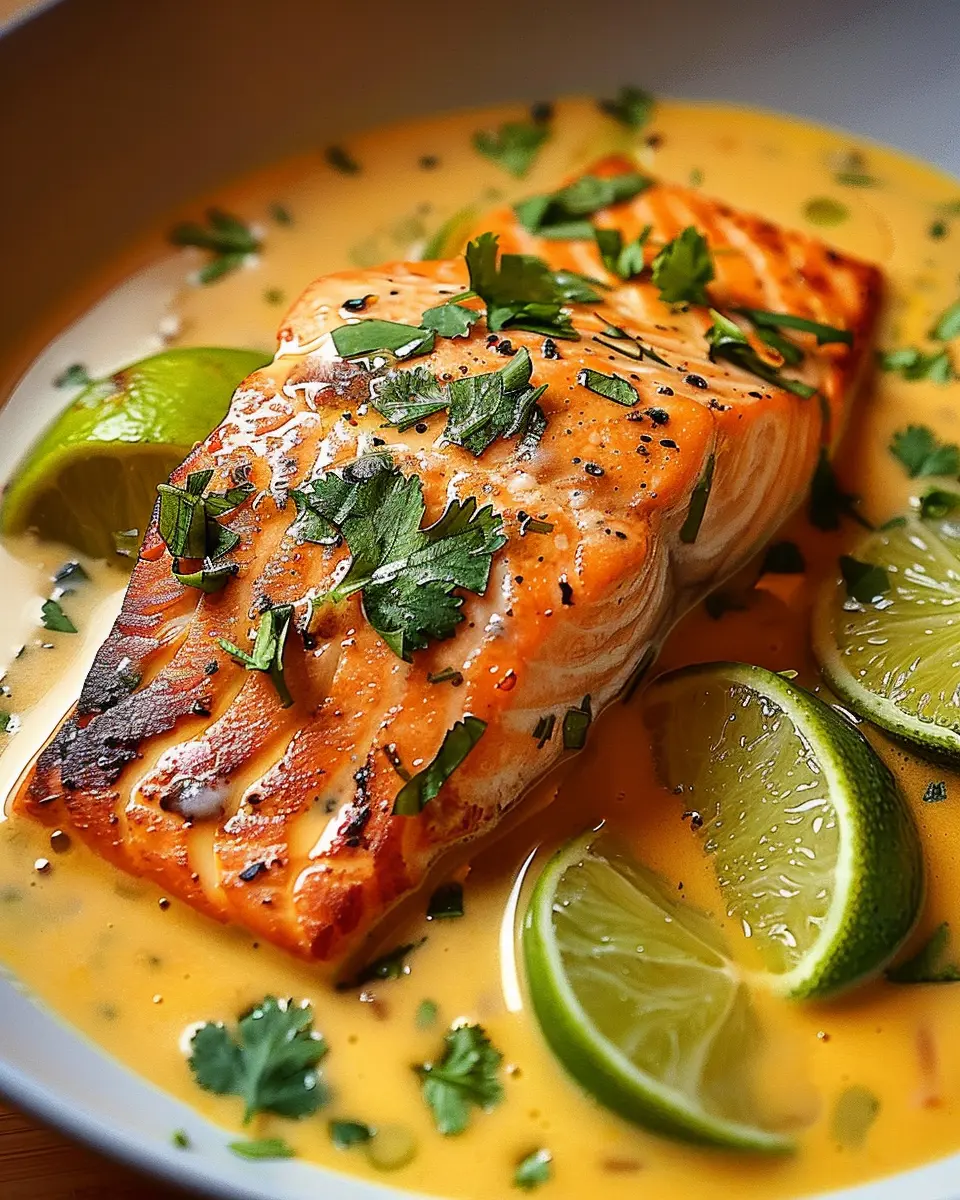
Cooking Tips and Notes
Common Mistakes to Avoid
When making poached salmon, one common mistake is using water that’s too hot. The key to a perfect poach is a gentle simmer, not a rolling boil. Overcooking can lead to dry, rubbery fish. Remember, patience pays off!
Choosing the Right Pot for Poaching
Opt for a wide, shallow pot for poaching your salmon. This design allows for even heat distribution and ensures that the fish cooks uniformly. If you don’t have one, a deep skillet can also work. Just make sure there’s enough liquid to cover the salmon partially.
How to Check Salmon for Doneness
To ensure your poached salmon is perfectly cooked, check for a gentle flakiness. Insert a fork into the thickest part of the salmon; it should easily flake apart and be opaque in color. For a more precise method, a food thermometer can help—look for an internal temperature of 145°F (63°C).
Enhance your cooking skills by reading more about poaching techniques on Serious Eats. Happy cooking!
Serving Suggestions for Poached Salmon
Complementary Side Dishes
When serving poached salmon in coconut lime sauce, select sides that enhance its tropical flair. Here are a few crowd-pleasers:
- Steamed Asparagus: The slight bitterness balances the rich sauce.
- Coconut Rice: Infuse your rice with a touch of coconut milk for an extra tropical kick.
- Mixed Green Salad: Toss in some juicy mango and a light vinaigrette for a refreshing crunch.
Ideal Pairings for Salmon
Don’t forget the right beverage to elevate your meal. Consider:
- Sparkling Water with Lime: A refreshing, zesty choice that complements the dish perfectly.
- Herbal Tea: Opt for a hibiscus or mint tea for a soothing touch.
Presentation Tips to Impress Your Guests
Serving poached salmon can be as artistic as it is delicious.
- Plating: Lay the fillet on a bed of coconut rice, drizzle the sauce artfully, and garnish with lime wedges and fresh herbs.
- Color Contrast: Add a side of vibrant roasted bell peppers or a colorful salad to create visual appeal.
With these serving suggestions, you’re all set to impress your guests and create a memorable dining experience. For more ideas, check out this article on pairing seafood. Happy cooking!
Time Breakdown for Poached Salmon
Preparation Time
Getting ready to make poached salmon in coconut lime sauce will only take about 10 minutes. This is when you’ll gather your ingredients, measure out everything you need, and prep the salmon. Want to save time? Consider laying out your ingredients in advance or chopping your aromatics the night before.
Cooking Time
The actual cooking time for your poached salmon is roughly 15 minutes. Keep an eye on the salmon as it cooks—this will ensure it turns out perfectly flaky and infused with the delightful flavors of coconut and lime.
Total Time
All in all, you’re looking at just 25 minutes from start to finish. That’s quick, right? This makes it an ideal option for a weeknight dinner or when you’re hosting guests. With the right timing, you can serve a gourmet meal without breaking a sweat.
If you want some more kitchen inspiration or techniques to refine your poaching skills, check out the Food Network’s guide on cooking methods for proteins. Happy cooking!
Nutritional Facts for Poached Salmon
Calories and Macronutrients
A 3-ounce serving of poached salmon typically contains around 200 calories. This delectable fish is not just delicious; it’s also packed with nutrients, offering about 22 grams of protein and 12 grams of healthy fats, primarily omega-3 fatty acids. These fats provide energy and play essential roles in bodily functions. For more detailed nutritional data, consider checking out resources like the USDA FoodData Central.
Health Benefits of Eating Salmon
Eating salmon regularly can be a game-changer for your health. Rich in omega-3 fatty acids, it promotes heart health, reduces inflammation, and supports brain function. The American Heart Association advocates for the inclusion of fatty fish like salmon in your diet, emphasizing its role in lowering the risk of heart disease. Plus, salmon is high in vitamin D and selenium, vital nutrients that bolster your immune system and support bone health.
Why Coconut Milk is a Great Addition
Incorporating coconut milk into your poached salmon recipe not only enhances the flavor but also adds a creamy texture without a lot of extra calories. Coconut milk is rich in medium-chain triglycerides (MCTs), which are known to boost energy and may even aid in weight management. This makes coconut milk a fantastic alternative to heavy cream, so you can enjoy your dish guilt-free.
By embracing the magic of poached salmon in coconut lime sauce, you foster a nourishing dining experience that promises both taste and health benefits. So, are you ready to take your taste buds on a delightful journey?
FAQs about Poached Salmon
How long should I poach salmon?
When it comes to poached salmon, timing is essential. Ideally, you should poach salmon for about 10-15 minutes, depending on the thickness of the fillets. The general rule is to cook it for about 6-8 minutes per inch of thickness. You want it to be opaque and flake easily with a fork. Keep an eye on it—overcooking can lead to dry salmon, and that’s not what we aim for!
Can I use other fish instead of salmon?
Absolutely! While salmon is delicious and rich in flavor, you can experiment with other types of fish. Some great alternatives for poaching include:
- Trout: Offers a milder taste and cooks similarly.
- Halibut: A firmer fish that works well with most poaching methods.
- Cod: Another flaky option that pairs nicely with a variety of sauces.
These fish can absorb the coconut lime sauce beautifully, giving you a delightful twist on your dish.
What can I substitute for coconut milk?
If you’re looking for a substitute for coconut milk, there are several options that can still give you that creamy texture:
- Almond milk: A lighter alternative, best when thickened with a bit of cornstarch.
- Unsweetened soy milk: Provides a slightly different flavor but is rich in protein.
- Cashew cream: Blend cashews with water for a rich and creamy option, similar to coconut milk.
These alternatives might not capture the exact taste of coconut, but they can still enhance your poached salmon dish wonderfully! For more tips on ingredient substitutions, check out Cooking Light.
Feel free to experiment, and enjoy discovering the combinations that work best for you!
Conclusion on Poached Salmon
Recap of the Benefits of Homemade Cooking
Cooking at home not only saves you money but also allows you to control the ingredients, ensuring your meals are both nutritious and delicious. When you create dishes like poached salmon in coconut lime sauce, you’re embracing the art of cooking. Plus, preparing your meals can be a delightful and satisfying experience, leading to healthier eating habits over time.
Encouragement to Try the Recipe
Don’t hesitate to give this recipe a whirl! The subtle sweetness of coconut paired with the zingy lime will elevate your salmon experience to new heights. Even if you’re a novice in the kitchen, this dish is simple and quick—perfect for impressing friends or enjoying a cozy night in.
Invitation to Share Results and Feedback
I’d love to hear your thoughts once you try this poached salmon recipe! Feel free to share your results or any personal twists you added. Your experiences can inspire others in our cooking community. Let’s connect and keep the culinary adventure going!
PrintPoached Salmon in Coconut Lime Sauce: A Refreshing Delight

A delicious and refreshing salmon recipe infused with coconut and lime.
- Prep Time: 10 minutes
- Cook Time: 15 minutes
- Total Time: 25 minutes
- Yield: 2 servings 1x
- Category: Main Dish
- Method: Poaching
- Cuisine: Asian
- Diet: Gluten-Free
Ingredients
- 2 salmon fillets
- 1 cup coconut milk
- 2 limes, juiced
- 1 tablespoon soy sauce
- 1 teaspoon garlic, minced
- 1 teaspoon ginger, grated
- 1 tablespoon cilantro, chopped
Instructions
- In a medium saucepan, combine coconut milk, lime juice, soy sauce, garlic, and ginger.
- Bring to a simmer over medium heat.
- Add the salmon fillets and poach for about 10-15 minutes, or until cooked through.
- Garnish with fresh cilantro before serving.
Notes
- This dish is best served immediately for optimal freshness.
- Try serving with steamed rice for a complete meal.
Nutrition
- Serving Size: 1 salmon fillet
- Calories: 300
- Sugar: 3 grams
- Sodium: 400 mg
- Fat: 20 grams
- Saturated Fat: 10 grams
- Unsaturated Fat: 8 grams
- Trans Fat: 0 grams
- Carbohydrates: 5 grams
- Fiber: 0 grams
- Protein: 25 grams
- Cholesterol: 70 mg
Keywords: Poached Salmon, Coconut Lime Sauce, Salmon Recipe